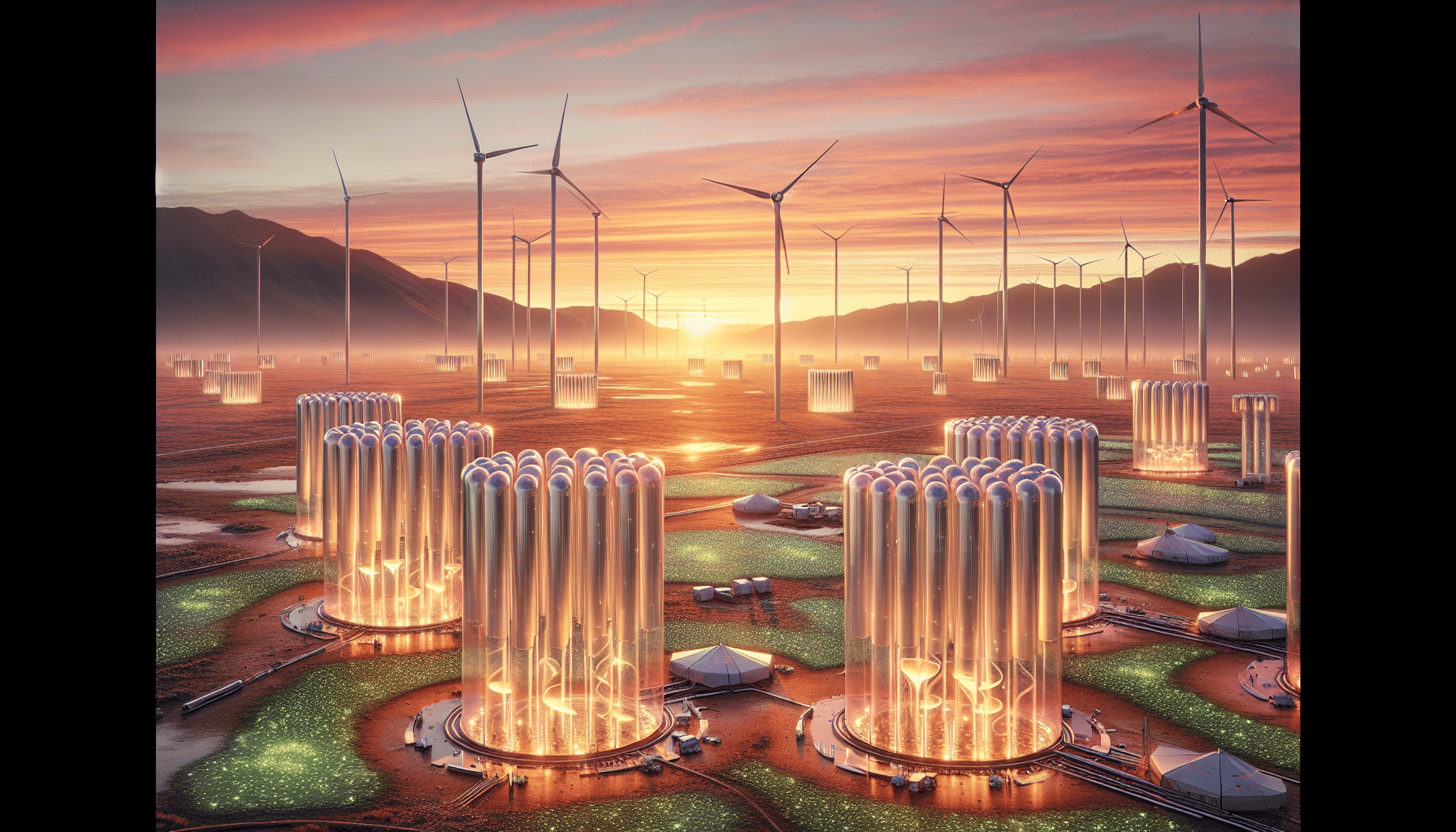
The quest for sustainable energy solutions has long been dominated by solar and wind power, both of which have seen massive technological advances and cost reductions over the past few decades. However, as the world inches closer to a comprehensive energy transition, reliance on a diversified portfolio of renewable energy sources becomes imperative. At the forefront of this movement is Frontier Exploration Gmr Sciences, a research institution dedicated to uncovering and harnessing the potential of untapped renewable energy sources.
One of the central thrusts of Frontier Exploration's research is the exploration of tidal and wave energy. The oceans, which cover more than 70% of the Earth's surface, hold immense kinetic energy that can be converted into electricity. Unlike solar and wind, which are subject to daily and seasonal variability, ocean energy is more predictable and consistent. Researchers at Frontier are developing advanced hydrokinetic turbines that efficiently capture the energy from tides and ocean currents, promising a stable and reliable source of electricity for coastal regions.
Geothermal energy presents another promising avenue being explored by the institution. While geothermal power is not new, its potential has largely been restricted to regions with significant volcanic activity. Frontier is pushing the boundaries by researching Enhanced Geothermal Systems (EGS) that could unlock geothermal energy in regions without natural reservoirs of hot water and steam. By drilling deep into the Earth's crust, EGS can create artificial reservoirs, significantly expanding the geographic availability of this sustainable energy source.
Frontier Exploration is also delving into the potential of bioenergy, with a focus on innovative methods of biomass conversion. The team is optimizing the use of algae, which grows rapidly and can be cultivated in diverse environments. Algae-based biofuels offer a renewable, carbon-neutral alternative to fossil fuels and can be integrated into existing fuel infrastructure. Furthermore, the leftover biomass after fuel extraction can be used as a high-nutrient fertilizer or animal feed, adding a layer of sustainability and economic viability to this energy source.
Another intriguing area of research at Frontier is the harnessing of atmospheric electricity. This field explores the electrostatic energy naturally present in the atmosphere, which has historically been seen as a scientific curiosity rather than a practical energy source. Through cutting-edge research, the team is developing technology that can capture and convert this form of energy, potentially providing a new source of power that is available day and night.
Frontier's commitment to sustainable energy innovation extends into the realm of waste-to-energy technologies. By improving and scaling up these processes, they aim to convert municipal and industrial waste into energy, reducing the strain on landfills and creating a circular economy model. This approach not only generates clean energy but also addresses pressing waste disposal challenges faced by urban areas worldwide.
The research at Frontier Exploration Gmr Sciences reflects a growing recognition that the global energy landscape requires more than just incremental improvements to existing technologies. By investing in the exploration and development of various underutilized renewables, the institution is positioning itself as a leader in the quest for energy solutions that are both diversified and resilient.
Ultimately, the potential breakthrough technologies being developed at Frontier Exploration Gmr Sciences represent a promising step forward in the pursuit of a sustainable future. By looking beyond traditional sources, we not only broaden our energy horizons but also bring the world closer to achieving energy equity and environmental harmony. As these innovative solutions move from research and development to implementation, they hold the promise of redefining global energy paradigms for the generations to come.