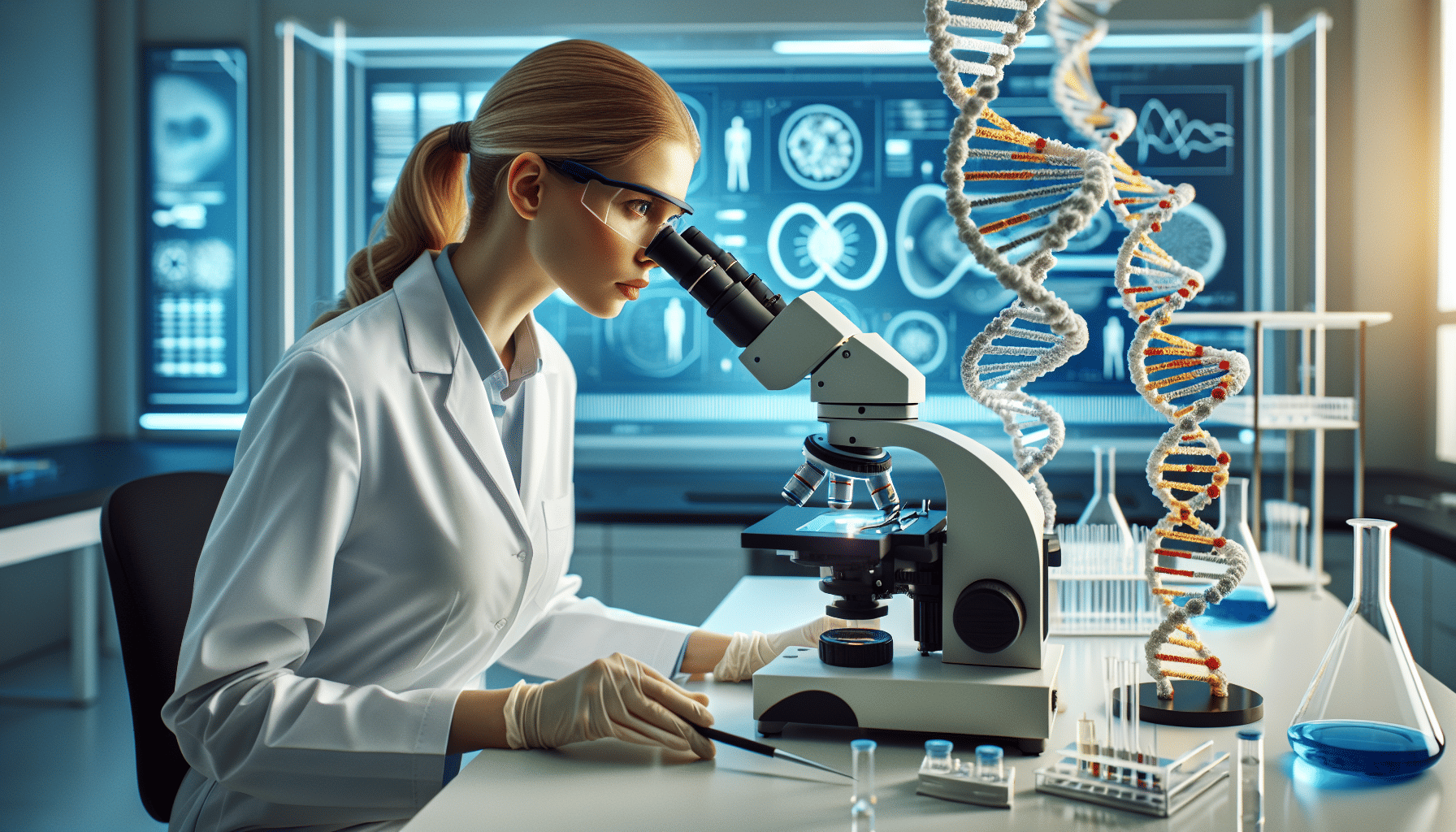
In the realm of science where biology and technology intertwine, advanced biotechnology stands as a beacon of innovation and possibility. This field, dedicated to decoding and manipulating the molecular underpinnings of life, is spearheading revolutionary breakthroughs with profound implications for health and disease management. As we navigate the microscopic world, biotechnology offers tools and techniques that were once mere figments of imagination.
Biotechnology is fundamentally reshaping the medical landscape through its precision and capability to drive personalized medicine. By studying the genetic profiles of individuals, scientists can tailor treatments specific to one's unique genetic makeup. This precision medicine minimizes adverse reactions and enhances therapeutic efficacy, which marks a paradigm shift from one-size-fits-all approaches to more customized healthcare interventions. This precise targeting is particularly transformative in oncology, where understanding the genetic mutations of tumors allows for the development of targeted therapies that improve survival rates and reduce side effects.
Beyond medicine, biotechnology advances are crucial in the development of innovative diagnostics. Diagnostic tools empowered by biotechnology facilitate early detection of diseases, ensuring timely intervention and better patient outcomes. Techniques such as CRISPR and next-generation sequencing are invaluable for rapidly identifying genetic disorders, infectious agents, and even small cancerous cells long before they manifest into severe conditions. The ability to diagnose diseases at such an incipient stage significantly improves prognosis and expands treatment options.
Furthermore, biotechnology is making strides in regenerative medicine, a branch aimed at repairing or replacing damaged tissues and organs. Stem cell research and tissue engineering are at the forefront, offering hope for patients with chronic illnesses and injuries. These technologies endeavor to regenerate failing body parts, ushering in a future where organ shortages are mitigated, and age-related ailments can be treated more effectively.
The intersection of biotechnology and bioinformatics is also creating innovative ways to understand complex diseases. By leveraging large datasets and computational tools, scientists are mapping out intricate biological networks and pathways. This understanding helps identify potential targets for new drugs and comprehends the multifactorial nature of diseases such as Alzheimer’s and diabetes, which are influenced by numerous genetic and environmental factors.
However, as we forge ahead into this new era of biotechnology, ethical considerations must accompany technological progress. The power to modify life at the genetic level poses significant moral questions that society must grapple with. Issues such as genetic privacy, potential misuse of genetic editing, and the socio-economic implications of biotechnological advancements require careful deliberation and the establishment of robust ethical frameworks.
In conclusion, advanced biotechnology stands at the cusp of revolutionizing healthcare and addressing some of the most intractable biological challenges. The innovations stemming from this field not only uplift the quality of healthcare but also expand the horizon of scientific understanding. While the benefits are monumental, ensuring that advancements align with ethical standards and are accessible across socio-economic strata will be fundamental in achieving equitable progress. As we delve deeper into the microscopic world, biotechnology promises to illuminate pathways that enhance human health and wellbeing like never before.